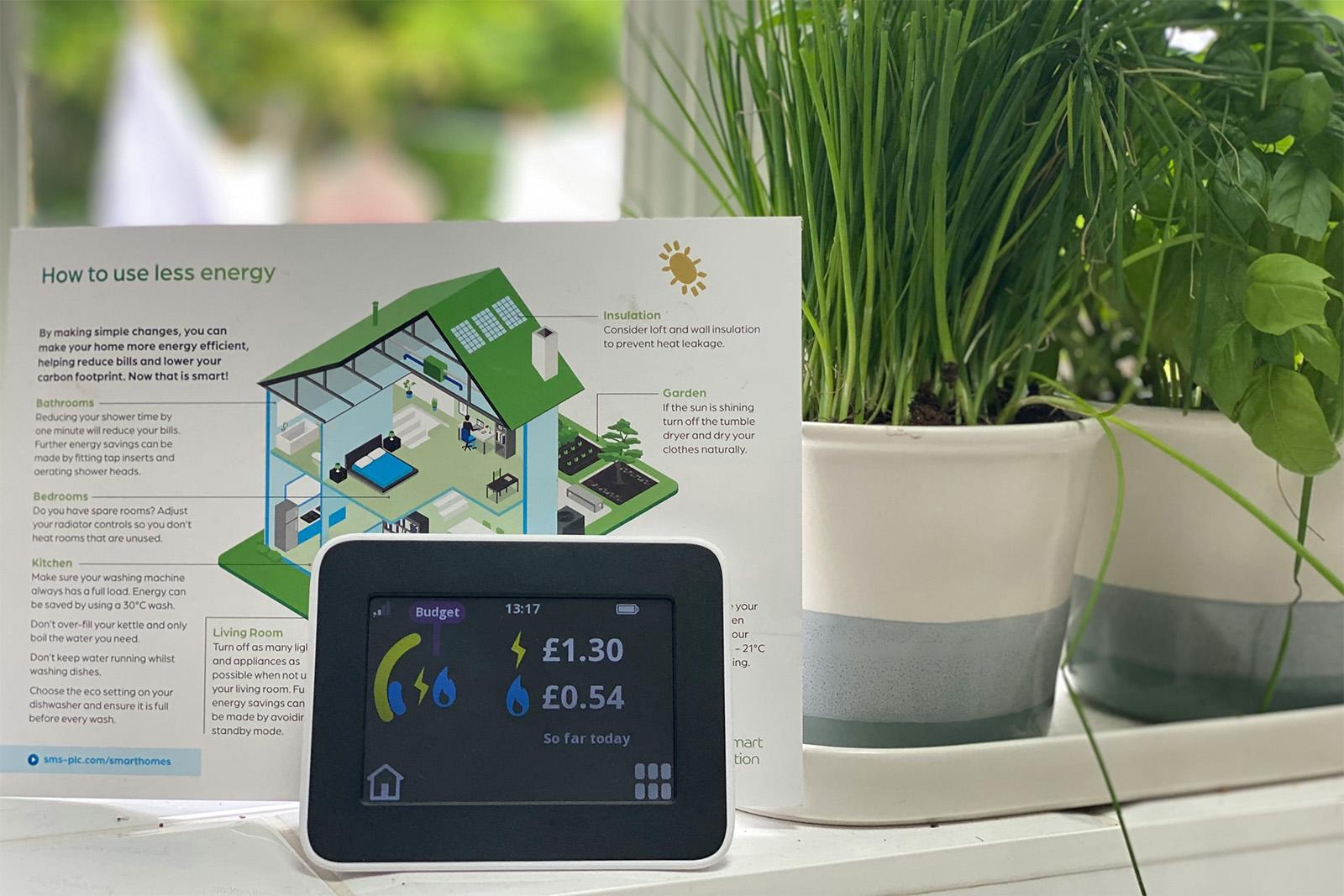
Decarbonising the UK’s existing housing stock is essential to achieving the 2050 net‑zero target, yet retrofit activity remains constrained by high upfront costs, fragmented delivery, and limited household affordability. This study applies an archetype‑led methodology that brings together stock characterisation, retrofit intervention design, real‑world cost evidence, and socio‑economic feasibility analysis.
Using outputs from the FINDS NetZero Affordability microdata alongside housing association data, EPC records and Home Analytics Scotland, dwellings are grouped into archetypes based on construction method, age and property type. For each archetype, the analysis estimates potential energy savings and the costs of different retrofit depths, drawing on as‑delivered procurement data from a 2024 social housing pilot. Anonymised disposable income distributions provided by the Smart Data Foundry are overlaid to model affordability and payback feasibility.
Findings highlight a persistent affordability gap: deep retrofit yields the greatest energy and carbon reductions but is unaffordable for most households without substantial support, while medium‑depth fabric‑first approaches appear more feasible with targeted grant aid or phased finance.
Partners

This research was funded as one of ten pilot projects through a £120,000 research partnership with the Smart Data Foundry, supported by the University’s Major Initiatives Fund (MIF).